Full restoration for vessels that need more than a repair: rot and core replacement, structural carpentry, fiberglass, teak decking, and brightwork, built and finished under one shop instead of handed between contractors.
Send the vessel make, length, and age, and what has you concerned. Most restoration scope is quoted in person, since photos rarely show how far damage has actually traveled.
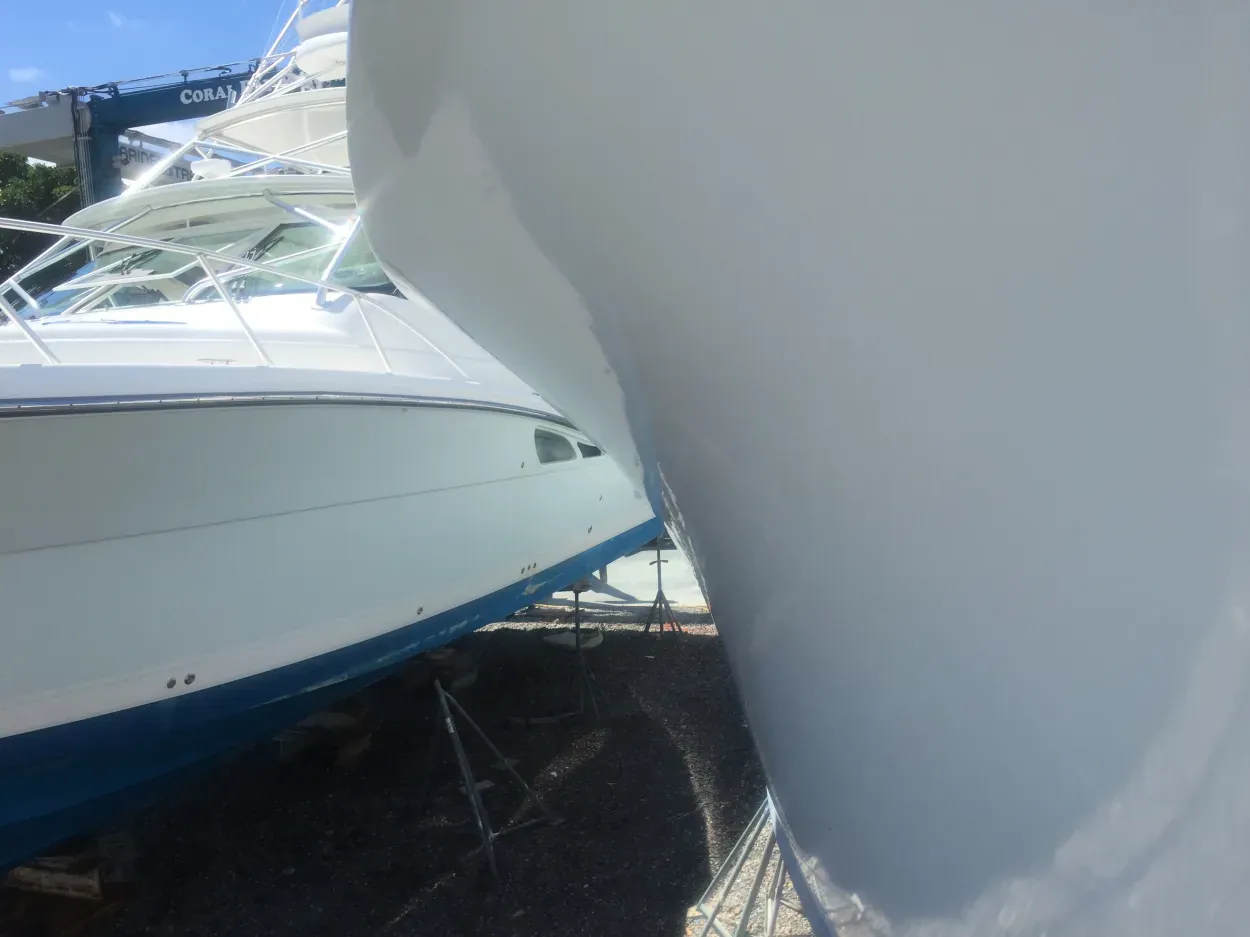
Rot and delamination spread quietly on a Keys vessel. These are the signals that a boat has moved past a spot repair.
A soft spot underfoot that has been getting worse for more than a season
Rot discovered once a smaller repair was opened up
A survey flagging structural or moisture concerns ahead of a sale or insurance renewal
A hull that has been patched repeatedly instead of properly rebuilt
Storm or grounding damage beyond what a simple fiberglass patch can fix
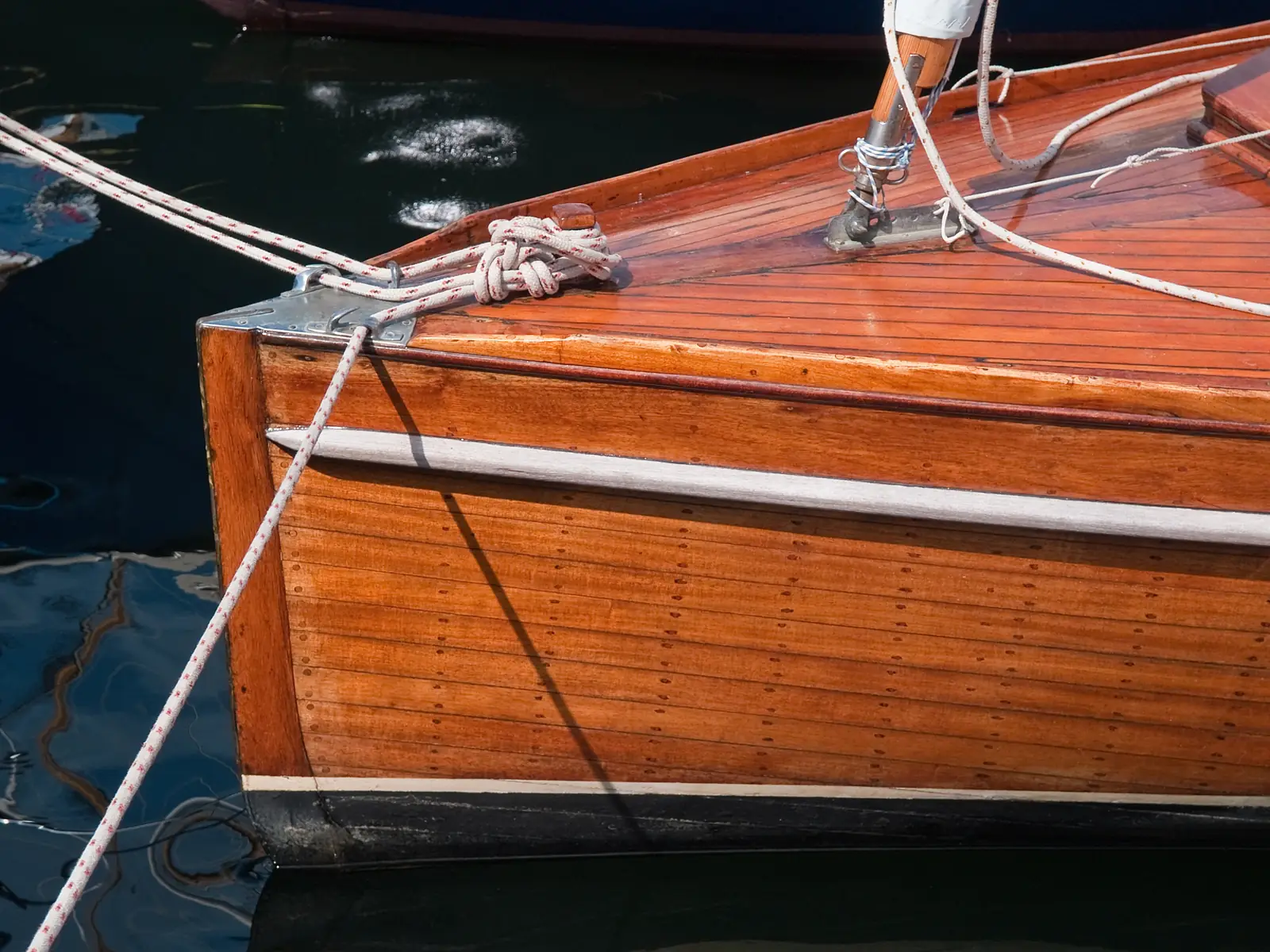
A classic wooden hull that needs more than a cosmetic refresh
AC condensation had been leaking into the bridge deck for years, saturating the cabin-side core behind glass that still looked sound.
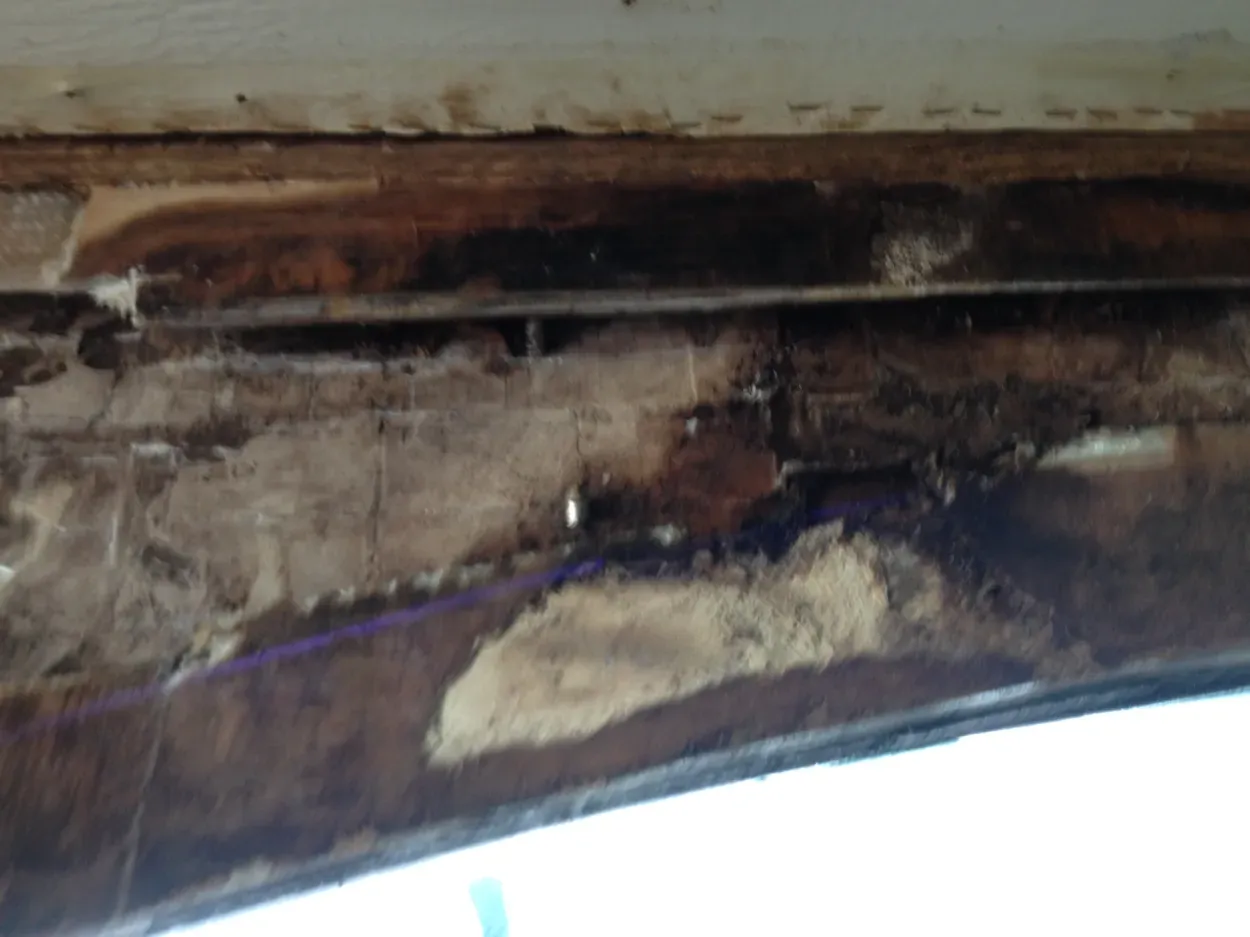
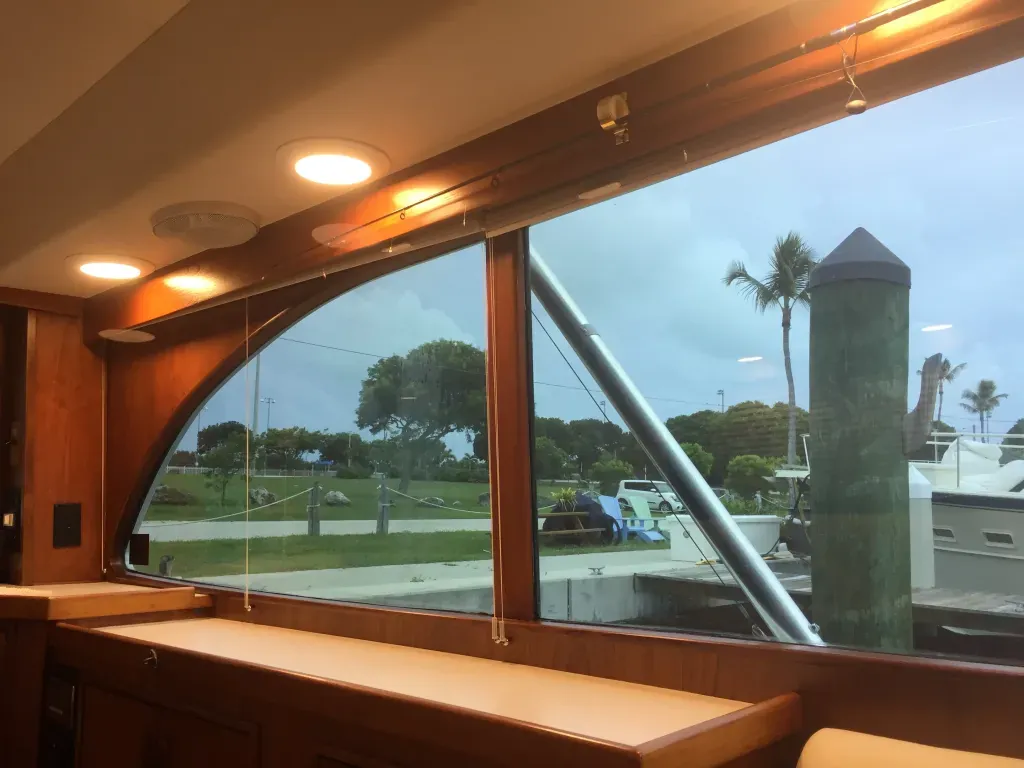
The same shop that has rebuilt a 45-foot Rybovich hull-to-deck joint, an 81-foot Broward coach roof, and a 53-foot hull that came back four separate times over the years handles this level of structural work as the core of the trade, not the exception.
A full restoration usually touches these specialties in the same project.
A call or a few photos through the estimate form is enough to start. Vessel make, length, age, and what has you concerned.
Restoration scope is almost always quoted in person at your dock or marina, because photographs rarely show how far rot or delamination has actually traveled.
On restoration work the number includes room for what opening the vessel up reveals. Hidden rot and wet core are common, not rare, and anything that changes scope is discussed with you before the work goes ahead.
Structure, fiberglass, decking, and brightwork are built and fitted under the master craftsman who quoted the job, and it is not finished until you have looked it over.
“Our yacht suffered damage after a storm. We hired Keys Marine Carpentry to care for our boat. They quickly repaired our yacht and solved the problem, and now our boat is ready for the seas again. I appreciate the hard work that was involved with the repairs.”
Victoria R., storm damage restoration
If the damage is limited to one spot and the surrounding structure is sound, that is usually a repair. If rot or delamination has spread across multiple systems, or a survey has flagged widespread structural or moisture issues, that points toward a full restoration. An in-person assessment is the honest way to tell the difference.
It depends entirely on how much structure has to come out and how many systems are involved. A restoration is scoped and scheduled after the vessel is seen, since two boats that look similar from the dock can need very different amounts of rebuilding once opened up.
Matching grain, species, and finish to the existing joinery is a normal part of restoration work. Past projects have matched teak, mahogany, sapele, and other species chosen for how each piece has to wear.
Both. Wood is the specialty, but fiberglass and gelcoat work are handled in the same shop, since restoration on a Keys vessel almost always involves both trades meeting at the same repair.
It covers the scope visible at assessment, plus a reasonable reserve for what commonly gets found once the vessel is opened up. If the scope changes once work has started, that gets discussed with you before anything extra is done, never billed after the fact.
Most restoration work happens at your dock, slip, or marina, including at Ocean Reef Club. A haul-out or shop visit only comes up when a specific component genuinely needs to be built or finished off the vessel.
Send the vessel details and get a real assessment of the structure, not a guess from photos. Estimates carry a reserve for what the work reveals, discussed with you before anything changes.